
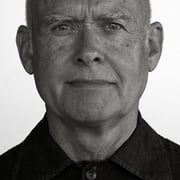
South Africa, 1985
“A few yards away from the man at the organ, on the same verandah, a tall white man is being stabbed.” The excerpt that follows is the beginning of an extended essay by Vernon Wright in ‘South Africa’ by Bruce Connew and Veron Wright, the book of our five-week passage through apartheid during July and August 1985. Winnie Mandela wrote an introduction for the book. ON A WIDE HOTEL verandah in Durban a man sits at an electronic organ and plays a tune from the 1940s. It is sundowner time, that hiatus between afternoon and evening during which settlers—in the colonial tradition—sit with their drinks and watch the sun flare across the navy blue sky before disappearing. Before Africa returns to blackness. The devices to keep the night at bay are fragile: electric lights disappear into the blackness after a few steps away from them. The interior of cars offer a sort of security. It is illusory, but it is better than nothing. I know a man who has been fighting the African sundown every night for twenty-five years, resisting his daily death with the ritual of the sundowner. A few yards away from the man at the organ, on the same verandah, a tall white man is being stabbed. The coloured lights along the Durban waterfront have been switched on and across the wide street the seaside mardi gras is closing down for the night. There is a steady stream of traffic finding its way along the Marine Parade to the northern beach suburbs. Two black youths in brightly coloured shirts stand behind the stricken white man. One of them has a short-bladed knife which he plunges in and out of the man’s back. Then they both turn and flee down a side street and into the night. By the time I draw abreast of the scene the wounded man is being held upright by other patrons. A black waiter in a red jacket and fez with a black tassle has appeared with a mop and is already cleaning up the spilled blood. In the distance comes the wail of an ambulance siren. Action and reaction occur with remarkable speed. The stabbed man doesn’t know whether to allow himself to be carried or whether to walk unaided to the ambulance. He walks, staggering slightly, an ambulance man on each side of him, his arms pulled tightly in against his sides, forcing his shoulder-blades back to help staunch the flow of blood. Did he live or die? I search the papers the following day but there is no mention of the incident. After the ambulance leaves, a small knot of white people gathers on the pavement to discuss the incident. One of the men approaches me and says it is just as well for the two kaffirs that he hadn’t been there when they were doing their stabbing. Another remarks that it is time we stop treating them with kid gloves. The group vow that they can put an end to all this, given guns and permission. I don’t reckon they can, but I don’t say so. The stabbing we have just seen on the verandah was probably just plain criminal rather than political—a minor statistic in this normally placid, hedonistic city where some seventy people have died violently during the past couple of weeks. VERNON WRIGHT / 1987
No categories selected
Photos (72)


