
Wadini Imbaba Yasta
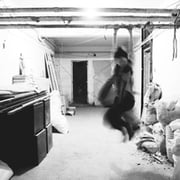
Microbuses loudly calling for destinations across the city. Toktoks slaloming between the honking cars, bursting Electro Shaabi music from their frustrated speakers. Colored laundry left to dry adorns the narrow jammed streets. Traffic. People. Noise. Separated, by the Nile, from the classy calm island of Zamalek, You are in Imbaba. Imbaba is one of the many neighbourhoods of Cairo where its residents live under minimal conditions. They have somehow unpleasantly adapted to the non-stop growing inflation of Egypt, which makes this district different from the rest of greater Cairo. Because of the government's continuous inattention, Imbaba fails to function as an ordinary quarter. Its lacks most of the basic infrastructure and services. Many of its locals moved to Cairo at a young age from poorer cities to search for a job and a better quality of life. Most of them are unemployed. Comprising Muslims, Christians, Nubians, Sudanese, people from upper Egypt and even Syrian and Palestinian refugees, Imbaba became a melting pot. Neighbourhoods like Imaba are hardly ever mentioned in the news. Only after the uprising in Egypt in 2011, their names have seen the light in articles that mostly talked about elections or political domination. "Wadini Imbaba Y'asta" . Is an In-depth research on the lives of Imbaba's people revealing the various differences of this this populous neighbourhood from the rest of Cairo. My interactions with several Imbaba residents allowed me to explore and understand this hectic, underdeveloped, isolated, and vibrant district with all its unique features, and try to present it through my perspective.
No categories selected
Photos (9)


