The Basters
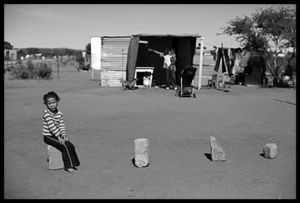
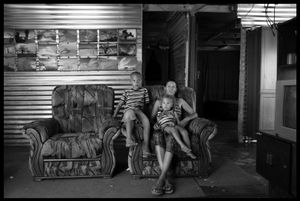
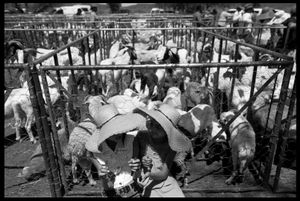
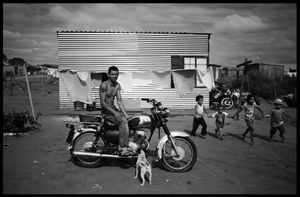
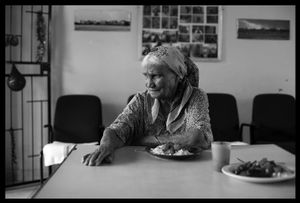
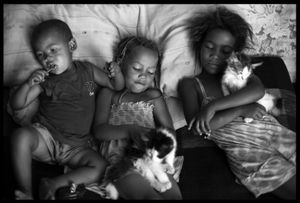
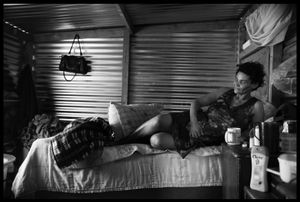
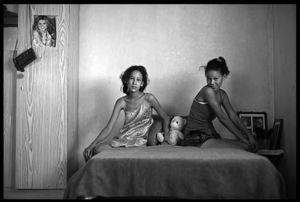
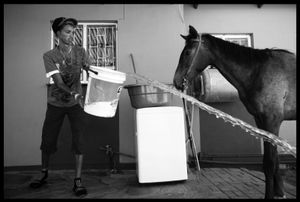
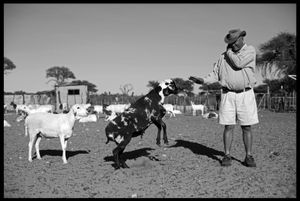
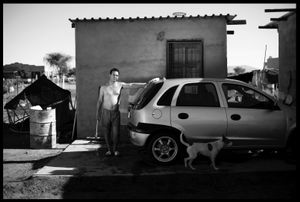
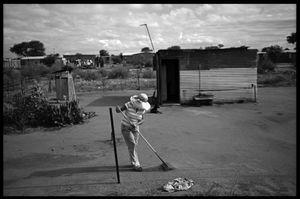
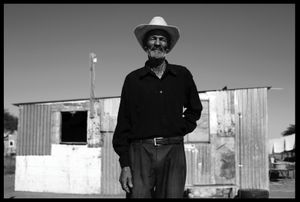
This is the first in a series of portraits that I am doing about the people of Namibia. Namibia is a country shrouded in mystery and wonders to the outside world. Shielded by its remoteness and empty spaces from the world, yet it is alive and bustling with life. The people are divided into at least eleven different ethnic groups in the country. The population can be divided into the following groups, the Owambo, Kavango, Herero, Himba, Damara, Nama, Topnaars,Rehoboth Basters,Coloureds,Caprivians,San,Tswanas and Whites. A brief history of the first group that I have photographed. The Rehoboth Basters. In central Namibia lies the Rehoboth Basters people, descendants of European Colonists and Indigenous Khoi-People. During colonial times, they set up their own political system, which guaranteed them the right to self-determination. The German occupation, however, ended at World War I, and Namibia (formally called South West Africa) became a League of Nations Mandate territory, administered by the Government of the Union of South?Africa. During the South African occupation, much of the Basters rights were suppressed, and their land alienated. In the late 70’s South Africa passed the ‘Rehoboth Selfgovernment Act’ granting the Basters autonomy, allowing them to grow and develop. In 1990, Namibia became an independent nation and the Baster self-Government was abolished. Seeing that it was the self-Government itself who owned the Bastercommunal land, with its extinction, all the land was seized and claimed by the newly formed Namibian government. The Basters are in between cultures, neither belonging to the majority of black Namibian's or the minority white Namibian. They have truly been in no man's land and are struggling to preserve their identity and their culture. A new generation is now grown up, born in an independent Namibia.
Photos (14)